
The allure of gambling: Understanding the thrill
The excitement and unpredictability associated with gambling are crucial factors that draw individuals to casinos. This thrill, often referred to as the ‘rush,’ is rooted in the brain’s reward system. When players engage in gambling, their brains release dopamine, a neurotransmitter linked to pleasure and reward. This neurological reaction creates a positive feedback loop, encouraging players to return for more. As they pursue the excitement of the game, some may even explore online casinos australia real money to enhance their experience. The potential for a big win adds an extra layer of excitement, making the experience not just about money but about the enjoyment of risk-taking itself.
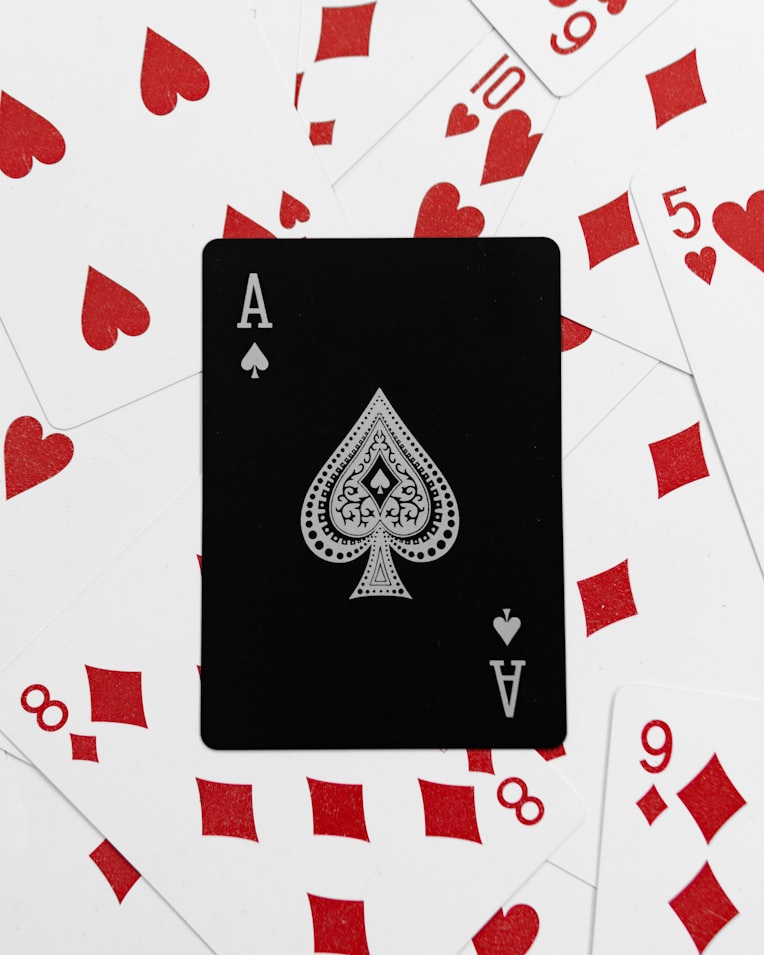
Moreover, the environment of casinos is designed to enhance this thrill. Bright lights, sounds of ringing coins, and jubilant celebrations surround players, creating an immersive experience that heightens emotions. This sensory stimulation can lead to an altered state of consciousness where the thrill of the gamble overshadows the rational thought of potential losses. Thus, many gamblers may continue to chase the excitement, regardless of the financial implications.
The psychological factors behind gambling
Several psychological theories explain why people are drawn to gambling. One notable concept is the ‘Illusion of Control,’ where individuals believe they can influence outcomes in games of chance. This illusion can lead to repeated gambling behavior as players convince themselves that skill or strategy gives them an edge. This misperception often results in a gambler’s fallacy – the belief that past outcomes affect future results, like thinking a winning streak will continue indefinitely or that a losing streak must eventually end.
In addition to cognitive biases, social influences play a significant role in the psychology of gambling. Many people are introduced to gambling through social settings, where the activity is normalized and celebrated. Peer pressure can reinforce the tendency to gamble, especially in environments where winning is celebrated and losing is downplayed. This interplay between individual psychology and social dynamics creates a complex framework that drives gambling behaviors.
The impact of risk and reward on behavior
Risk assessment is a fundamental aspect of the gambling experience. Players often weigh the potential rewards against the risks involved, and this assessment can be heavily influenced by emotional states. During moments of high excitement or distress, individuals might take greater risks, believing that the potential for a win justifies the gamble. This behavior can lead to risk-seeking actions that defy logical reasoning, especially among those seeking an escape from everyday life or a boost in confidence.
Additionally, the concept of ‘loss aversion’ comes into play in gambling contexts. Many gamblers are more motivated to avoid losses than to achieve gains, which can turn a small win into a trigger for further gambling. By focusing on minimizing the pain of loss, individuals may ignore the more substantial risk of losing larger amounts over time. This psychological trap often leads to prolonged gambling sessions and increasing stakes, amplifying both the risk factor and the emotional turmoil involved.
The role of addiction in gambling behavior
For some individuals, gambling transcends casual fun and progresses into a more severe issue of addiction. Gambling addiction is characterized by the inability to resist the urge to gamble despite negative consequences. The psychological mechanisms behind this addiction often mirror those found in substance abuse, where the need for the thrill and the physiological responses to winning can lead to compulsive behavior.
Understanding gambling addiction requires recognizing the signs and symptoms, which include preoccupation with gambling, withdrawal symptoms when not gambling, and a tendency to gamble with increasing amounts of money to achieve the same excitement. Treatment options often involve therapy, support groups, and counseling, which focus on addressing the underlying psychological factors and helping individuals regain control over their gambling habits.

Enhancing your skills with New Horizons Learning Centres
While exploring the psychology of risk in gambling can be enlightening, it’s equally vital to equip oneself with skills that can be beneficial in various aspects of life, including responsible decision-making and risk assessment. New Horizons Learning Centres offers a wide array of courses designed to enhance your professional and personal skills. With specialized programs in essential fields, individuals can develop critical thinking and analytical skills that may help in understanding and managing risk in different contexts.
Engaging in academic development not only prepares individuals for future challenges but also empowers them to make informed choices, whether in gambling or in their careers. By taking advantage of the resources and training solutions offered by New Horizons, learners can unlock their potential and navigate the complexities of risk in a more informed and sophisticated manner.